
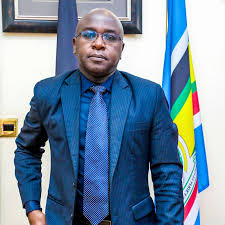

At a time when governments are under pressure to do more with limited resources, the person in charge of tax collection often becomes one of the most consequential figures in public life. Humphrey Wattanga is one such figure in Kenya. As Commissioner General of the Kenya Revenue Authority (KRA), he operates at the intersection of policy, politics, and everyday economic reality—where decisions about taxation ripple through businesses, households, and national development plans.
Rather than being a purely bureaucratic role, his position demands strategic thinking, negotiation, and a steady response to public expectations. Wattanga’s leadership comes during a period when tax systems worldwide are being reshaped by digital transformation and growing demands for transparency.
Profile Summary
| Field | Details |
|---|---|
| Full Name | Humphrey Wattanga |
| Nationality | Kenyan |
| Profession | Public Administrator, Economist |
| Known For | Commissioner General, Kenya Revenue Authority |
| Education | Background in economics, finance, and management |
| Leadership Role | Head of Kenya’s tax collection agency |
| Net Worth | Not publicly confirmed |
Early Life and Background
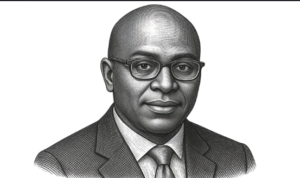
Humphrey Wattanga has kept much of his early life out of the public domain, a choice not uncommon among senior civil servants. Still, his career trajectory points to a foundation shaped by discipline, analytical thinking, and an early interest in financial systems.
Growing up in a country where economic growth has often been accompanied by structural challenges, Wattanga belongs to a generation of professionals who have had to think practically about governance. His later work suggests a familiarity not just with theory, but with the everyday realities of how economies function—particularly in emerging markets where efficiency and accountability can directly affect quality of life.
Education
Although detailed academic records are not widely publicized, Wattanga’s professional competence reflects formal training in economics, finance, and management. These disciplines are central to modern tax administration, which increasingly relies on data interpretation, risk assessment, and system design.
His educational background appears to have equipped him not only with technical knowledge but also with the ability to navigate complex institutional environments—an essential skill in public finance leadership
Career Journey
Foundations in Finance and Corporate Management
Before entering the public sector spotlight, Wattanga built his career in finance and corporate environments. This period was more than a stepping stone—it shaped how he understands compliance, efficiency, and the pressures businesses face.
Working within structured corporate systems, he would have gained firsthand experience in budgeting, financial controls, and performance management. Just as importantly, he saw taxation from the taxpayer’s perspective, an insight that later informed his approach to reform.
Moving into Public Institutions
His transition into public service marked a shift from profit-driven environments to policy-driven systems. Here, the challenges were different: balancing revenue targets with fairness, improving compliance without stifling growth, and navigating bureaucratic complexity.
Wattanga steadily built a reputation as a professional who could handle both the technical and administrative sides of large institutions. His ability to translate policy into workable systems helped him stand out in an environment where implementation often determines success.
Rise to Commissioner General of KRA
His eventual appointment as Commissioner General of the Kenya Revenue Authority placed him in one of the most demanding roles in the country. By the time he took over, expectations were already high—Kenya needed to increase revenue collection while maintaining public trust and supporting economic growth.
Rather than pursuing dramatic, short-term fixes, Wattanga’s approach has leaned toward structural improvement. His tenure has focused on:
- Modernizing tax systems to reduce inefficiencies and close loopholes
- Expanding the tax base by bringing more sectors into compliance
- Improving taxpayer experience through simplified digital platforms
- Strengthening enforcement mechanisms while encouraging voluntary compliance
Navigating Real-World Pressures
Leading a tax authority is rarely straightforward. Economic slowdowns, political expectations, and public resistance to taxation all create constant pressure. Wattanga’s role requires balancing these forces while maintaining institutional credibility.
One of the more subtle aspects of his leadership is managing perception. Tax authorities often face skepticism, and improving compliance is as much about trust as it is about enforcement. His focus on transparency and service delivery reflects an awareness of this dynamic.
Leadership Style and Contributions

Wattanga’s leadership can best be described as measured and systems-oriented. He appears less focused on headline-making reforms and more on building processes that can sustain long-term efficiency.
- Analytical approach: Decisions informed by data rather than assumption
- Incremental reform mindset: Improving systems step by step rather than relying on sweeping changes
- Stakeholder awareness: Recognizing that taxpayers, businesses, and government agencies must all be aligned
- Institutional strengthening: Prioritizing systems that outlast individual leadership
His contribution lies not just in revenue figures, but in how the institution evolves to meet modern demands.
Personal Life
Wattanga maintains a low public profile outside his professional responsibilities. There is little publicly available information about his family life, suggesting a deliberate choice to separate personal matters from official duties.
This discretion is typical for individuals in sensitive financial roles, where public attention is often intense and focused primarily on institutional performance.
Net Worth and Earnings
There are no publicly confirmed figures regarding Humphrey Wattanga’s net worth. His earnings are primarily tied to his role in public service, alongside any prior private-sector engagements.
Without verified disclosures, assigning a specific figure would be speculative.
Conclusion
Humphrey Wattanga’s career reflects a quiet but significant form of leadership—one grounded in systems, discipline, and long-term thinking. In a role where success is often measured not by visibility but by outcomes, his work at the Kenya Revenue Authority carries weight far beyond the institution itself.
His tenure highlights a broader truth about modern governance: effective leadership is less about bold declarations and more about building structures that work. If those structures continue to improve under his watch, the impact will be felt not just in government accounts, but in the broader trajectory of Kenya’s economic development.
Frequently Asked Questions (FAQs)
1. Who is Humphrey Wattanga?
He is a Kenyan public official serving as the Commissioner General of the Kenya Revenue Authority.
2. What does the Commissioner General of KRA do?
The role involves overseeing tax collection, enforcing compliance, and guiding the country’s revenue administration systems.
3. What is Humphrey Wattanga known for?
He is recognized for focusing on modernization and efficiency within Kenya’s tax system.
4. Is his net worth publicly available?
No, there are no confirmed public records detailing his net worth.
5. Does he have private-sector experience?
Yes, he previously worked in finance and corporate management before transitioning into public service
